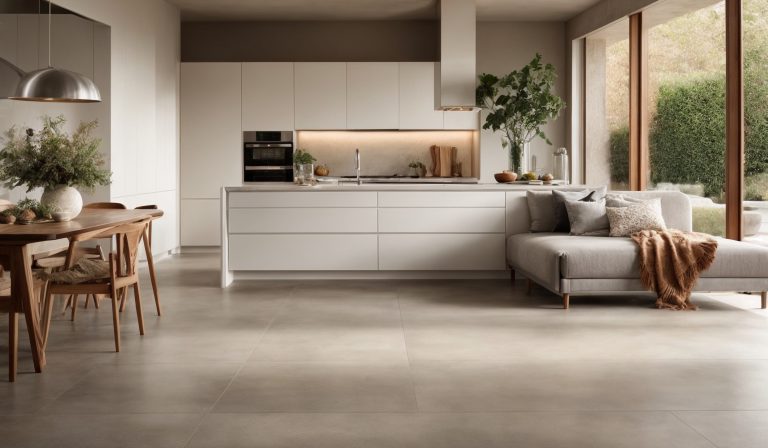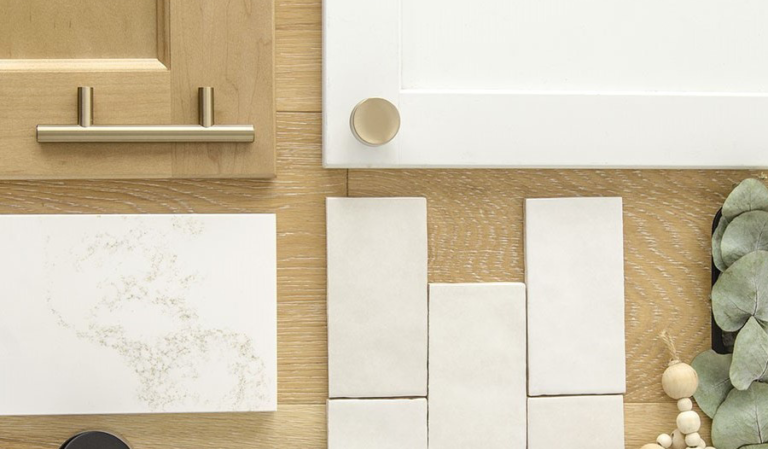

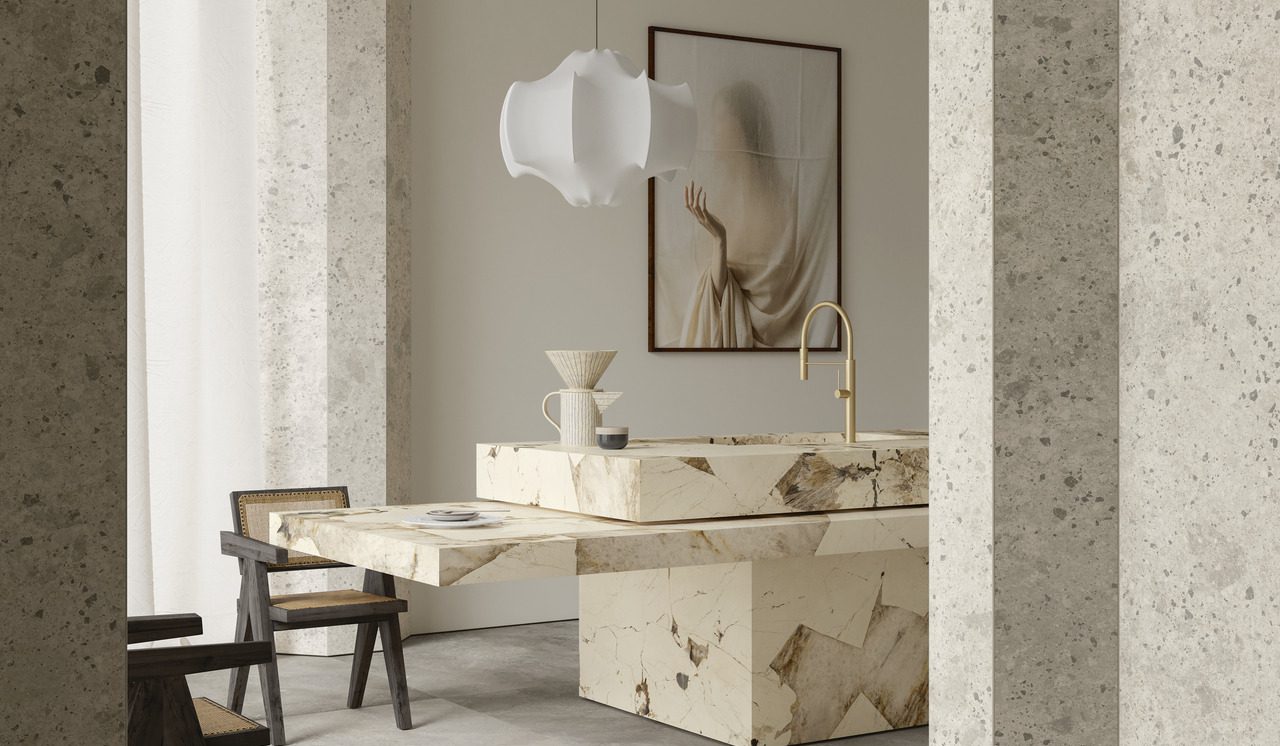

Kitchen remodelers faced tough countertop choices amidst clashing priorities of drama versus durability, reports reveal.
Granite seemingly strike gold as the few surfaces blending eye-catching aesthetics, effortless maintenance, and warrior-grade toughness taking slashes and clashes in stride. Yet their perfect ratings come with lofty price tags, leaving many seeking budget-friendly options sacrificing on some ideal qualities.
Marble steals the breath with striking colors and luxury vibes unparalleled. But behind the beauty lurks high needs – extensive sealing and babying to prevent stains, scratches marring its delicate complexion.
On the contrary, laminate saves dollars but surrenders durability over decades of wear. Its promise of imitation luxury fades over time under knife scratches and scorches.
Cost-conscious remodelers found salvation backing laminate with ceramic tile splashes protecting walls as the laminate protects pride. This his-and-hers design philosophy emerging as a compromise between pennies and perfections still elusive in the countertop domain.
But the quest continues for surfaces marrying chameleon-like adaptability to match households ranging from easygoing to endless action under one unifying crown of affordable invincibility. Alas, no current stone or synthetic formula yet cracks this countertop code as conflicting needs collide.
Granite:
Pros: Extremely durable and scratch-resistant surface. Resistant to heat, stains, and moisture. Available in a wide range of natural color and pattern variations. Adds high-end appearance and value. Long-lasting with proper sealant application.
Cons: Expensive material and installation cost. Some porous varieties can stain if not properly sealed. Sealing required periodically. Heavy weight requires strong cabinet/support structure. Difficult for do-it-yourself cutting and installation.
Material cost: Expensive $$-$$$
Installation cost: Expensive $$-$$$ (Need to factor professional cutting, seam work, and installation of the heavy material)
Marble:
Pros: Elegant, luxurious natural stone look. Available in a variety of colors and patterns. Can be polished to a striking high-gloss finish. Adds value and beauty.
Cons: Expensive. Can stain, etch from acids, scratch easier than other stones. Requires diligent resealing. Extra care needed when prepping food and cleaning to prevent etching/damage which can deteriorate surface over time.
Material cost: Expensive $$-$$$
Installation cost: Moderate $$$ (Fewer special tools/skills needed than granite, but still benefits from professional install)

Laminate:
Pros: Very affordable. Easy installation. Many colors/patterns available. Scratch and scorch resistant.
Cons: Not as durable as stone. Prone to chipping, swelling from moisture over time. Seams may be visible. Cannot withstand high heat.
Material cost: Very Affordable $
Installation cost: Very Affordable $ (Easy DIY install just like attaching a countertop sheet)
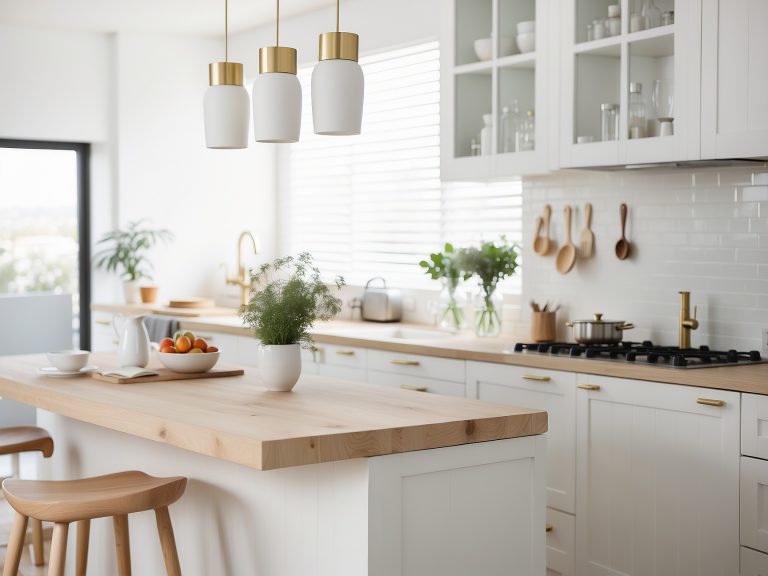
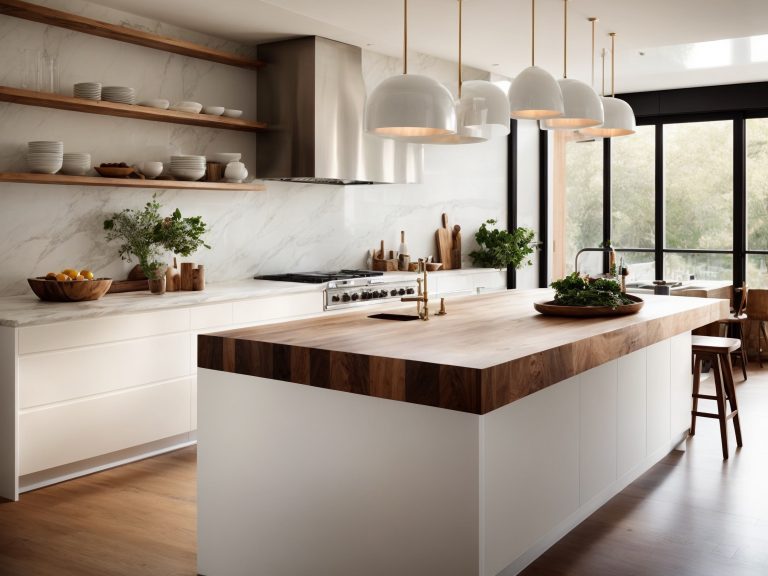
Butcher Block:
Pros: Warm, natural appearance. Kind on glassware/dishes. Can be sanded and resealed when damaged. Add character over time.
Cons: Prone to scratches, stains, requires frequent resealing. Not heat or moisture resistant. Can be expensive for high-quality hardwood.
Material cost: Mid-range to Expensive $$-$$$ depending on type of wood
Installation cost: Mid-range $$
(Needs careful cutting, sanding, sealing work)
Porcelain:
Pros: Highly durable and scratch resistant. Stain, heat and moisture resistant. Easy to clean. Comes in variety of looks.
Cons: Chipping issues if tiles not installed correctly. Grout lines need maintained to avoid staining/discoloration. Can be noisy and high glare.
Material cost: Mid-range $$
Installation cost: Mid-range $$ (Proper tile setting for level surface and managing grout lines takes skill)
Stainless Steel:
Pros: Extremely durable against scratches, stains, heat damage or moisture issues. Easy to clean and sanitize. Industrial modern aesthetic. Can be fitted flush with sinks creating a seamless appearance.
Cons: Susceptible to fingerprints and water spots showing without diligent cleaning. Lacks color/pattern flexibility of other materials. Over time, could show small dents and abrasions with heavy wear and tear. Higher noise potential when prepping directly on the surface. Can feel cold or sterile rather than warm and inviting.
Costs: Material $$
Installation $
In the dramatic news style:
Enter stainless steel wildcard with tough-as-nails durability almost alien, impervious to humankind’s normally damaging spills and stains. This new contender suits serious chefs sweating every sanitation issue or designers keen on industrial edge rarely achieved by the warmth of stone. Yet critics highlight fingerprints marring its brilliant sheen sans diligence paired with noisy, cold persona ill-fitting the heart of homes where loved ones gather comfort. Costs split the difference, avoiding over-the-top extravagance of stone while still commanding healthy fees fitting of this professional-grade personality posing perhaps too sleek and sterile for most. For cost and durability, stainless makes its case yet warmth and charm factors loom question marks suiting it mainly for restaurant knock-offs.
In summary, natural stone and engineered quartz countertops are most durable overall but come at a higher cost. Laminate is affordable but will show wear over time. Consider budget, aesthetics, maintenance requirements and functionality based on your household use. Let me know if you need any clarification or have additional questions!
So generally natural stones carry the highest combined material and installation costs, while laminates and sometimes butcher block can be the most budget friendly options.